

Chris Whitehouse, a political consultant and expert on medical technology policy and regulation at Whitehouse Communications, signals the roll-out of value-based procurement across the NHS in England.
After more than three years in development, the government has today (11th June 2026) begun the rollout of its new value-based procurement (VBP) model across the NHS in England.
Under the new methodology, no more than 40% of the score for a medical device procurement can be based on whole-life cost, with at least 60% weighted towards wider measures of value, including patient outcomes, patient experience and environmental impact. The details of the new methodology can be found here.
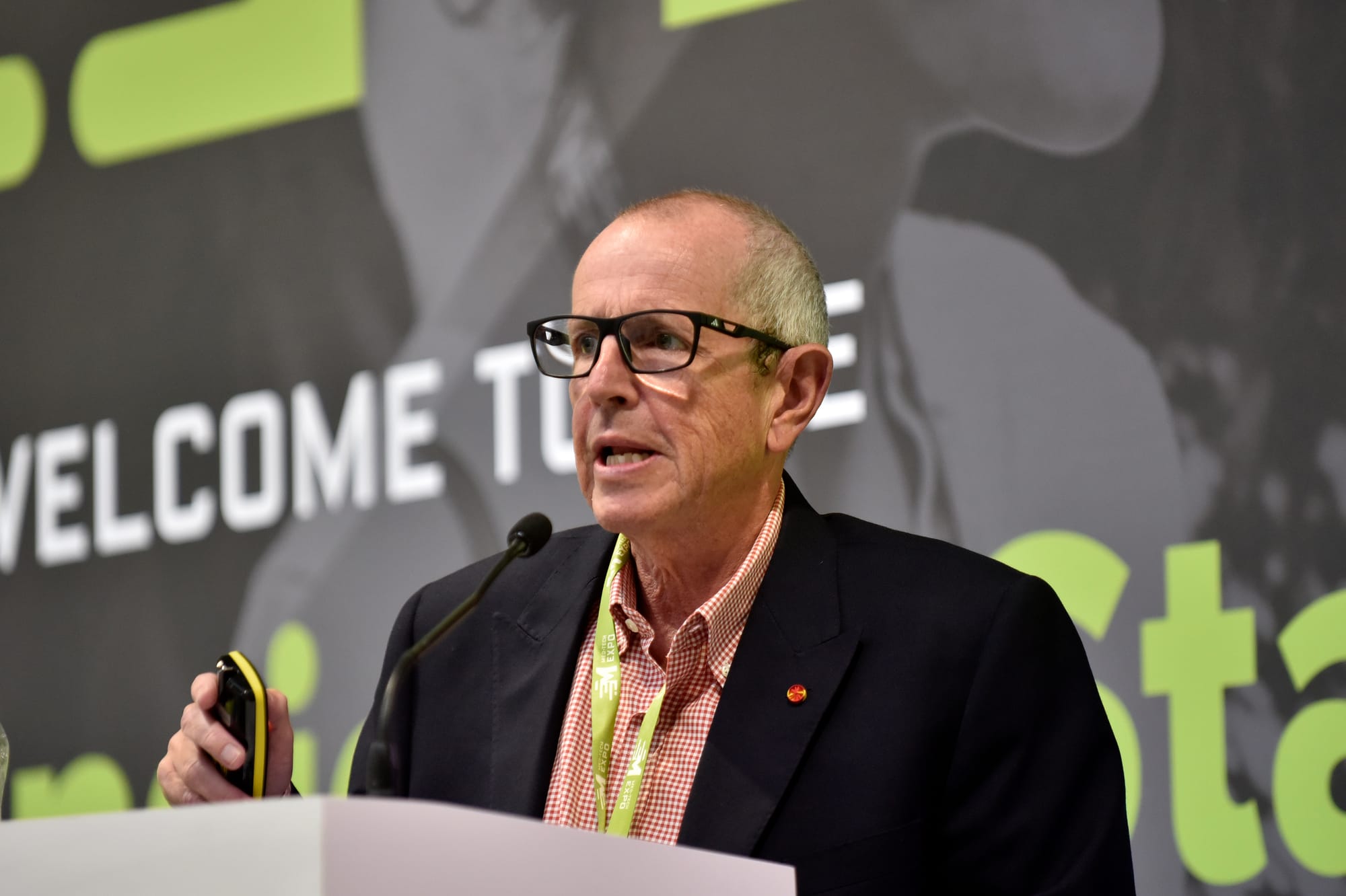
David Lawson, Head of the Department of Health and Social Care’s Medical Technology and Innovation Directorate, first signalled the rollout during a Med-Tech Expo 2026 panel on 4 June titled “Beyond Price: How Value-based Procurement is reshaping NHS MedTech”, which I chaired.
Lawson indicated that training and support from the centre are being provided to ensure that the procurement teams of NHS trusts around England were ready and keen to engage with the new approach, and stressed the need for clinicians to engage in the early stages of procurements.
Crucially, he argued that procurers should feel “empowered” by senior management to adopt the new methodology and help deliver a fundamental paradigm shift in NHS procurement, in accordance with the commitment in the government’s 10 Year Plan for the NHS, which acknowledged:
“The NHS has mixed up its priorities when it comes to buying things. It has bought goods and services as if everything were a basic, interchangeable item, where only price matters. This means the NHS has focused too much on lowest cost, rather than best value and outcomes.”
Switching to the new approach, intended for all medical device procurement in both community and secondary care, won’t be easy, given the huge pressure on the NHS to drive down short term costs – a pressure that can lead to longer-term increases in spending – but there is ministerial-level commitment to make the change.
The new methodology is not, as I said in my own contribution at MedTech Expo, a panacea for all procurement ills. But it will be a brave first step in the right direction for an NHS which, even now, almost 78 years after its launch, often ignores value to focus on item price.
Lawson also indicated that the methodology will continue to evolve over the coming years as experience is gained from its use. Future iterations will seek to refine the model as procurement teams become more confident in using the methodology and industry develops stronger evidence to support claims of improved patient experience and outcomes.
The team responsible for delivering the 13 recent pilots using the methodology will also be retained for three years to continue to develop the model.
During the panel, Ismail Hanif, of leading medical consumables supplier Essity, stressed that the VBP approach can, and should, lead to wider reviews of whole care pathways so that the benefits of technology to patients, clinicians and wider NHS budgets can be fully realised. He is right, VBP must be a catalyst for a wider shift towards value-based healthcare.

The devolved nations of Scotland and Wales, said Lawson, are also watching closely the VBP plans in England, and are engaging in discussions with their English counterparts; and there are, I am aware, plans to see VBP projects in Wales in the near future.
Whitehouse Communications has worked closely with the Medical Technology and Innovation Directorate and Essity over the last three years to create political and ministerial support for the adoption of VBP as government policy. We are proud of what we have together achieved to date, and Whitehouse will, in particular, continue to drive forward the adoption of the new approach at local level around England through a programme of engagement with NHS trust executives.
At the centre, we will be watching closely and sounding alarm bells if national procurement organisations such as NHS Supply Chain continue to undermine the VBP approach by inserting maximum pricing thresholds into its procurement operations, as it has been doing, whilst simultaneously briefing government Ministers that it is adopting the new VBP methodology across its procurements.
The Author used AI in preparing this article. Comments upon or questions about this article can be addressed to chris.whitehouse@whitehousecomms.com.


