

The dust has settled on Med-Tech Expo 2026, leaving the UK medical device industry with plenty to digest. The exhibition floor in Hall 7 of the NEC hummed with enthusiasm throughout the two days, and that buzz has continued into the post-event conversation on social media.
The conference sessions sparked vital debates on sustainability and regulation, and the sentiment from attendees and exhibitors post-show focused on the exceptional quality of the event itself.
From the buzzing energy of the show floor to the targeted networking spaces, the community feedback highlights an event that brought together the UK MedTech value chain under one roof. Here is what the industry had to say about the experience of attending and exhibiting at this year’s Med-Tech Expo.
High-Energy Networking and Real-World Connections
The standout piece of feedback across the post-show reviews was the sheer quality of the face-to-face engagement. In a digital-first business environment, the Expo reminded delegates of the irreplaceable value of live interaction.
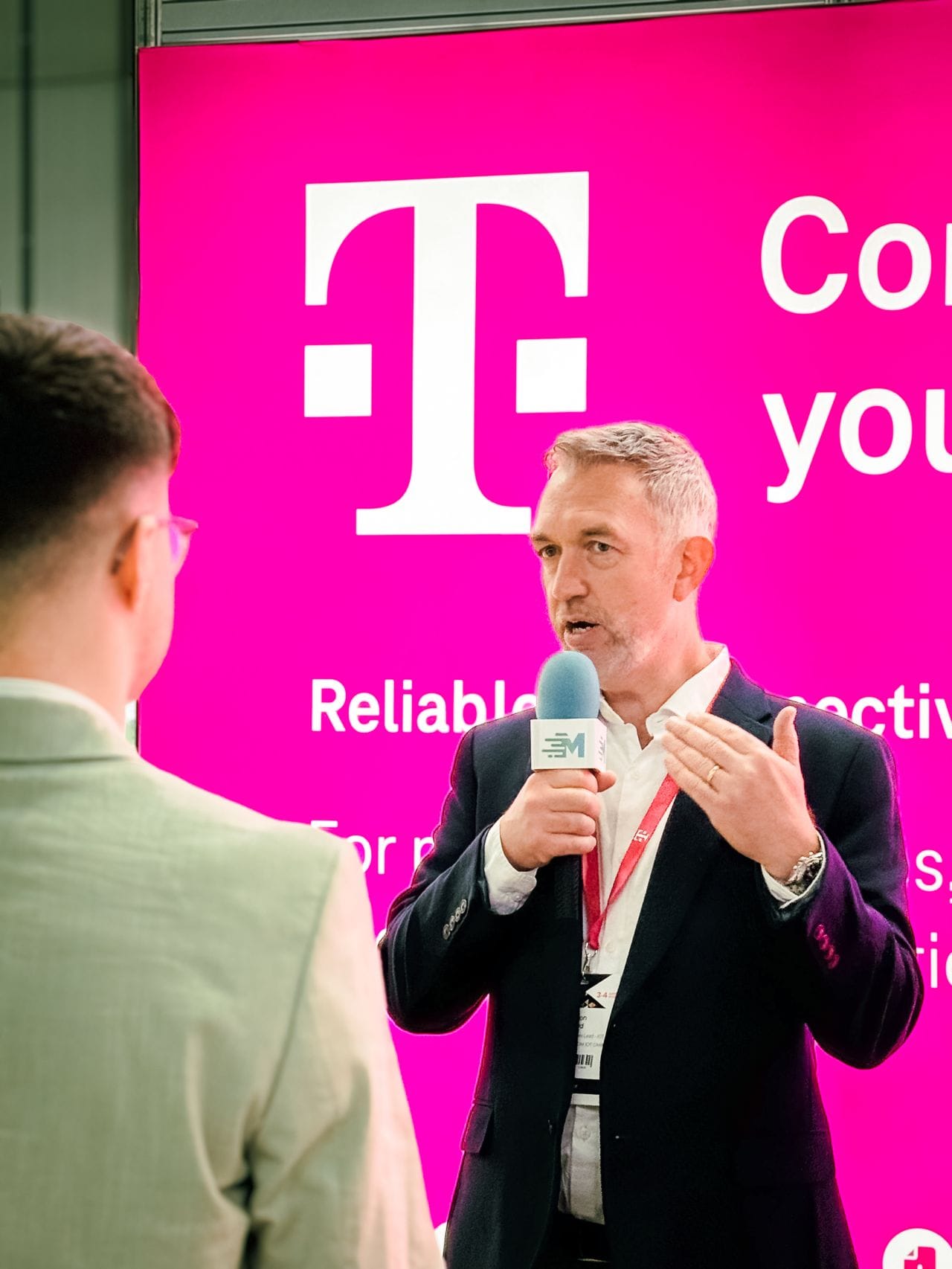
Exhibitors noted that the arduous pre-show preparation paid off the moment the doors opened. Barbara Kajak of Deutsche Telekom reflected on LinkedIn: “Exhibitions tend to be intense: long hours, plenty of logistics, and months of preparation in the background. But once the show starts, all of that turns into something very energising – real conversations, new perspectives…”
Many of those conversations centred on the volume of technical innovation taking place, with people specifically tracking the continuous growth of AI-enabled technologies and Software as a Medical Device (SaMD).
For returning exhibitors, it was an ideal platform to showcase ongoing success. The team at Smallfry Design noted: “It was great to reconnect with contacts from across the industry. One of the most rewarding parts of the event was sharing updates on products we’ve helped bring to market, and seeing the reaction from suppliers and partners who were part of that journey.”
A Highly Collaborative Atmosphere
Multiple delegates praised how welcoming, open, and collaborative the community felt. Recent Biomedical Engineering Graduate Mahdieh Zanjani highlighted how accessible the community was to newcomers, saying: “I truly appreciated how welcoming and willing people were to explain their work and exchange knowledge. Experiences like this make the connection between research, innovation, and industry feel much more real and practical.”
Momentum and Inspiration
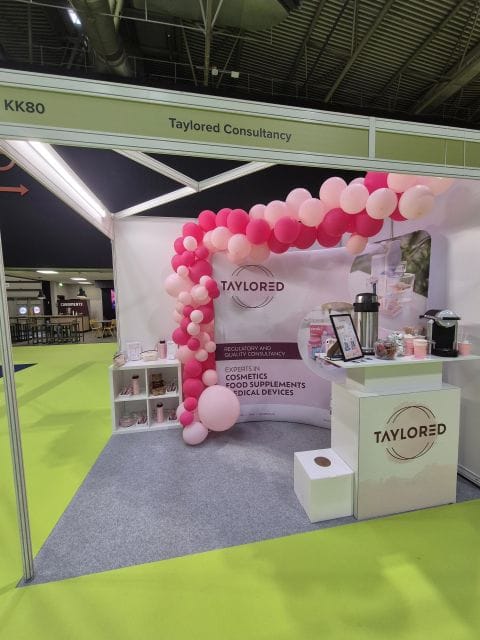
Attendees reported leaving the NEC with a renewed sense of purpose. Taylored Consultancy, a company providing expert regulatory affairs consultancy, and exhibitor at the event posted on LinkedIn: “We all left with new connections, new ideas, and plenty of inspiration. Now it’s time to follow up on all those conversations and keep the momentum going.”
This reflected a wider event-wide consensus that navigating increasingly complex regulatory frameworks can actually serve as a growth lever rather than a speed bump.
Paul Marshall, CEO of Rapid Fluidics spoke about the consistent flow of good conversation throughout the event when he shared his views on LinkedIn: “Looking at other posts on here, I realise that I missed out. I didn’t attend any of the presentations. I didn’t get to explore the startup zone. I think I only got to three other booths, and two of those were existing contacts.
“Of course, that’s my choice. I’m there to represent Rapid Fluidics on our booth and don’t want to miss any opportunities. And the fact that I was kept there pretty much full time for two days can only mean that we were busy. And we were. It wasn’t frantic, but it was constant.”
Praise for the Specialised Stages and Features
The structural layout and targeted programming of the 2026 event received specific praise for making a sprawling, multi-disciplinary industry easy to navigate.
The Startup Area and NIHR Pitch Competition
The inclusion of a dedicated Start-Up Zone, anchored by the National Institute for Health and Care Research – NIHR, was highlighted as a major success. The PITCH competition, featuring the start-ups provided a competitive yet supportive environment that pushed founders to excel. PITCH winner Jacqui O’Connor, Founder of MedScan 3D shared: “It was a privilege to present alongside so many brilliant start-ups… Moments like these remind me why you have to keep stepping out of your comfort zone!”
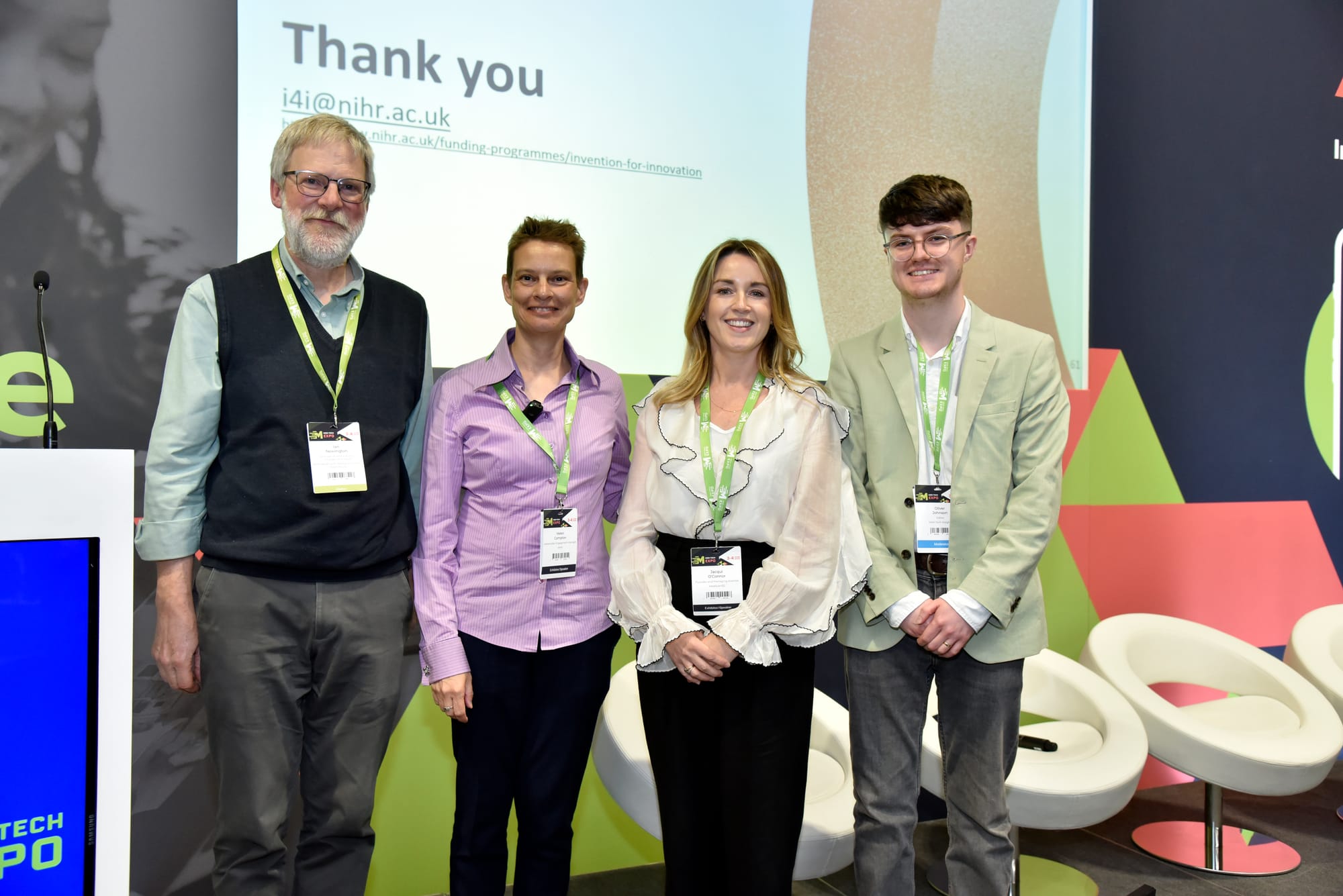
The quality of the pitches didn’t go unnoticed by others at the event either. Lesley Plön of the Johner Institute, who also took part in the conference on the Innovation Stage said: “The start-up pitches were very interesting: showcasing the innovation and entrepreneurial spirit in the UK that continue to drive the MedTech industry forward.”
The pitches themselves, as is the case with every year, reflected major strides in patient outcomes, spanning from neurological wearables for Parkinson’s disease to implantable, continuous EEG monitoring.
This momentum was echoed by international exhibitors who found the event to be a springboard for direct UK expansion. The team at InFact reported that the expo provided a real surprise with the large number of people visiting their stand across many different aspects of the industry.
On LinkedIn the company said: “Following these two days we see a significant opportunity for InFact to build presence and delivery capabilities in the UK. With access to a number of large MedTech funds including Innovate UK collaborative R&D, NIHR MedTech pathway and NHS procurement pilots, UK clients have expressed their interest in InFacts offering – halving time to market.
“Programmes across startup and industry innovation are being promoted to bring tech company investment to the UK including regional development for MedTech and for NHS transformation. We have already seen the benefits of connecting with deep resources of medical development experience here and see this as important for NZ MedTech companies as well including funding, reimbursement, compliance and suppliers.”
The Innovation Stage
The presenters on the Innovation Stage, delivering concise, informative sessions, found themselves spealing to highly engaged crowds. Simon Derry of Comsol noted: “I thoroughly enjoyed presenting my talk on the ever-growing usage of numerical modelling and simulation… It was encouraging to hear about so many novel applications at our stand.”
That sentiment was shared by compliance experts who used the stage to unpack dense regulatory shifts. Rachele Nardella from TÜV SÜD reflected on a truly inspiring two days at the expo, noting it was a brilliant space to connect with passionate professionals, exchange ideas, and build new relationships across the sector.
For her, taking the stage to tackle shifting international testing frameworks was a clear highlight: “A particularly significant moment was the opportunity to present the latest updates of the ISO 10993-1:2025 standard and the related challenges: an experience I greatly enjoyed and found incredibly rewarding.”
This highly practical focus extended across the show floor, with busy stands dedicated to navigating international testing, certification, and the strict implementation of the new ISO: 10993-1:2025 biocompatibility standard.
The Insights Stage
A pivotal moment on the Insights Stage took place with the dedicated panel session, “Beyond Price: How Value Based Procurement is Reshaping NHS MedTech”, which brought together key policy architects and industry leaders to discuss the practical application of modern NHS framework agreements. The panel, chaired by Chris Whitehouse alongside panelists David Lawson from DHSC and Ismail Hanif from Essity, addressed the structural shift in tender evaluation rules, specifically debating the rigid implementation of the mandatory 40/60 scoring split directive.
The discussion highlighted that under this updated architecture, immediate commercial pricing metrics are strictly capped at 40%, while the dominant 60% of the scoring matrix is allocated entirely to verified system value—such as post-operative bed-day reductions, released frontline nursing hours, and carbon-reduction milestones. The overriding consensus from the session is that the traditional transactional model is obsolete; MedTech innovators must now build localised health-economic business cases to capture the crucial value allocation.
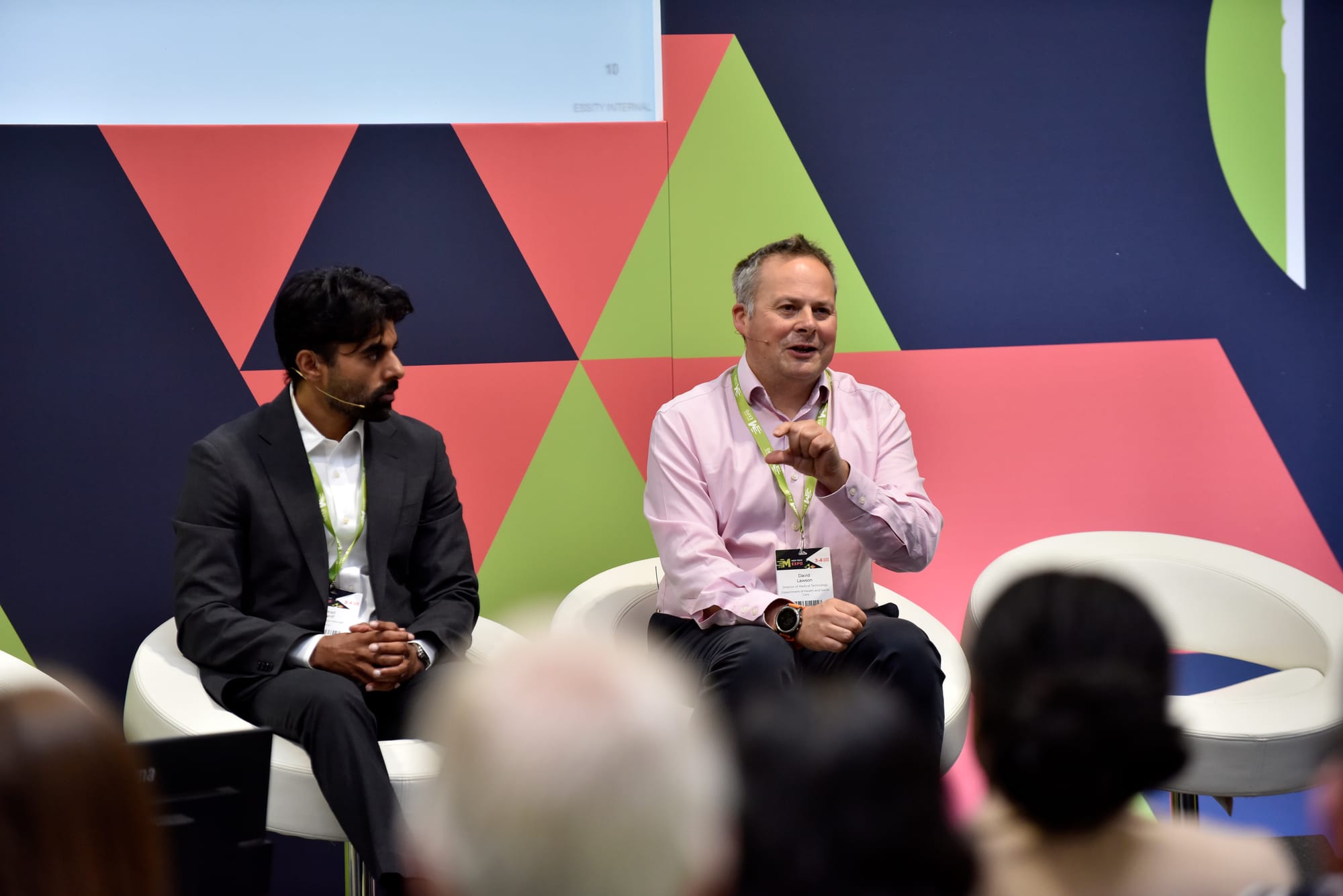
Gisèle G. Kouam, Medical Sector Consultant at Blue Circle Consulting took to LinkedIn to express her thoughts on the session: “Yesterday I was at MedTech Expo for the moment the sector has been waiting for: the official arrival of Value-Based Procurement.
“The headline is now confirmed. Whole-life cost capped at 40%. At least 60% of the evaluation will be weighted on value, clinical outcomes, patient impact, efficiency, social value, and supply chain resilience. NHS Supply Chain has formally committed to applying it across framework procurements, rolling out this year.
“For medical device companies, one line from the day stuck with me: the evidence has to become procurement documentation, not key opinion leader conversations. That’s the shift most suppliers underestimate. It’s not enough for your product to be clinically respected. The real-world data, the health economics, and the total-cost-of-care argument. All of it now must be structured, documented, and ready for an evaluator to score.
“The companies that win under VBP won’t necessarily be the ones with the best products. They’ll be the ones who can prove it, in the format the new methodology demands.”
Co-Location and Regional Strength
The decision to host the event at the NEC in Birmingham continues to be recognised as a massive strategic advantage for the UK sector.
Interplas
For many, the synergy of exploring the co-located Interplas exhibition alongside the main floor added significant value. Olivia Buchanan-Taylor of Shire Leasing PLC noted: “Great day yesterday exploring the Interplas UK and Med-Tech Insights exhibitions at the NEC… Events like these are a fantastic opportunity to understand how we can support businesses as they grow.”
The West Midlands
The local community proudly pointed to the event as proof of the region’s rising status as a world-class health tech hub. Reviewing the event’s location relevance, the Johner Institute team emphasised the strength of the local ecosystem, concluding: “The West Midlands region is thus increasingly becoming an important health tech hub in which several strengths come together: strong industrial manufacturing expertise, large hospital networks, excellent universities… and direct access to the NHS.”
This direct pipeline to the health service became a central talking point as exhibitors actively debated how to prepare for upcoming NHS product carbon footprint mandates, with prominent displays on the show floor challenging the industry’s historical reliance on single-use plastics.
The Verdict
The final consensus is clear, Med-Tech Expo 2026 was a major success for exhibitors and attendees alike. It didn’t just showcase technology, it strengthened the human architecture of the UK MedTech community.
As the team at Element put it: “Med-Tech Expo from Med-Tech Insights didn’t disappoint! We’ve rebooked our stand for 2027 so we’ll be back with more of the same…”
Deutsche Telekom IoT stated in its post-event message: “We leave Birmingham with valuable conversations, fresh ideas, and a clear message: when connectivity works seamlessly in the background, healthcare innovation can move forward in the foreground.”


